

You might be ‘The Hero’ of the Brush-Floss formula, never skipping your oral hygiene routine. But does oral hygiene include only cleaning your teeth?!
The answer is a big ‘NO’. Tongue is a very important part of your oral cavity serving vital functions like swallowing and tasting.
Cleaning your tongue is as important as cleaning your teeth. Now if you say that you rinse your tongue to clean it, you are removing only the most superficial part of biofilm.( Wondering what is biofilm?! Read on to know! )
WHY SHOULD YOU CLEAN YOUR TONGUE?
If you think that your tongue has got an easily cleansable, smooth surface, have a closer look!
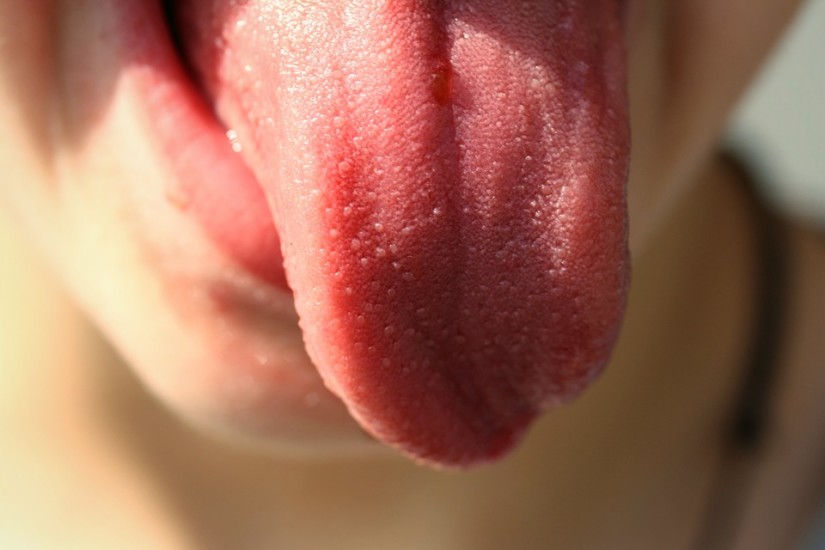
The surface of tongue contains numerous hair like projections called ‘papllilae’ along with taste buds and other elevations and depressions. This makes it an ideal home to billions of bacteria dwelling in our oral cavity ( Some good, Some bad! )
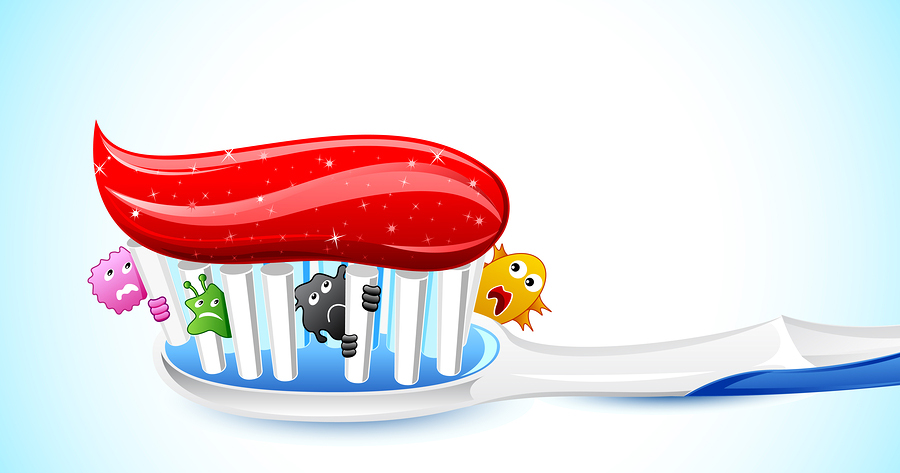
These nasty bacterias feed on the leftovers.The bacteria, mixed with food particles and dead skin cells, form a layer over your tongue. This layer is called ‘Biofilm’.
WHAT HAPPENS WHEN YOU DON’T CLEAN YOUR TONGUE?

- TASTE: Biofilms form a thick layer on tongue which can be so dense so that it can prevent your taste buds from doing their job, leaving you with a dull sense of taste. You might not be able to diffrentiate better beetween bitter, sweet, salt and sour.
- ODOR: These bacterias residing on your tongue are sulphur producing.Sometimes, these bacteria start to break down proteins at a very high rate and odorous volatile sulphur compounds (VSC) are released resulting in bad breath.
- APPEARANCE: If the coating becomes too thick, it may give a white appearance to your tongue.Coffee might make it turn brown and so on.
- ORAL PROBLEMS: This build up on your tongue might increase your risk of cavities and gum disease inspite of your strict brush-floss routine.
WHAT IS THE CORRECT WAY TO CLEAN YOUR TONGUE?

- Select a tongue scraping instrument. This may be plastic or metal.
- Stick out your tongue as far as you can.
- Place your tongue scraper toward the back of your tongue.
- Press the scraper on your tongue and move it toward the front of your tongue while applying pressure.
- Run the tongue scraper under warm water to clear any debris and bacteria from the device. Spit out any excess saliva that may have built up during the tongue scraping.
- Repeat steps 2 to 5 several more times.
- Clean the tongue scraper and store it for the next use
POTENTIAL PROBLEMS AND POINTS TO REMEMBER:
- Consistency is the key. It is important to clean your tongue atleast twice a day or as per the requirement. Cleaning ‘once in a blue moon’ is not going to help.
- If you gag during the process, you may want to scrape your tongue before eating breakfast to avoid vomiting.
- If gagging still persists, you might me applying extra pressure. Reduce the pressure and start with the middle of the tongue. Once you are accustomed to the process, you can start from the back of the tongue.
- One to two scrapes across the same area is usually enough. It should be gentle enough to avoid harming your taste buds or breaking the skin, but firm enough to scrape up excess debris.
NOTE : If you accidentally cut the surface of your tongue with the scraper, avoid scrapping until the area completely heals.Make sure your tongue scraper doesn’t have any uneven or rough edges.CONTACT YOUR DENTIST if the problem persists.
TAKING CARE OF THE ENTIRE MOUTH:
- Brush your teeth and gums at least twice a day.
- Make sure you brush for at least two minutes.
- Floss at least once a day to remove tough-to-reach debris between your teeth.
- Drink plenty of water throughout the day to reduce dry mouth, a common cause of bad breath.
- Avoid using tobacco products, which can contribute to buildup on the tongue.
- You should also see your dentist for regular checkups and cleanings
REMEMBER: If the problem of bad breath still persist, consult your dentist to rule out tooth decay, infections in your mouth, nose, sinuses, or throat, diabetes or side effects of medications.



 Your Health Space